Featured
Table of Contents
Eye Movement Desensitization and Reprocessing (EMDR) has changed trauma treatment because Francine Shapiro established the technique in the late 1980s. For therapists looking for to expand their medical toolkit with evidence-based injury treatments, top quality EMDR training ends up being a critical investment in both specialist advancement and client end results. Mind Based EMDR offers an organized path via basic accreditation, progressed field of expertise, and ongoing appointment that addresses the complete spectrum of trauma-informed practice.
Understanding EMDR Basic Training Demands
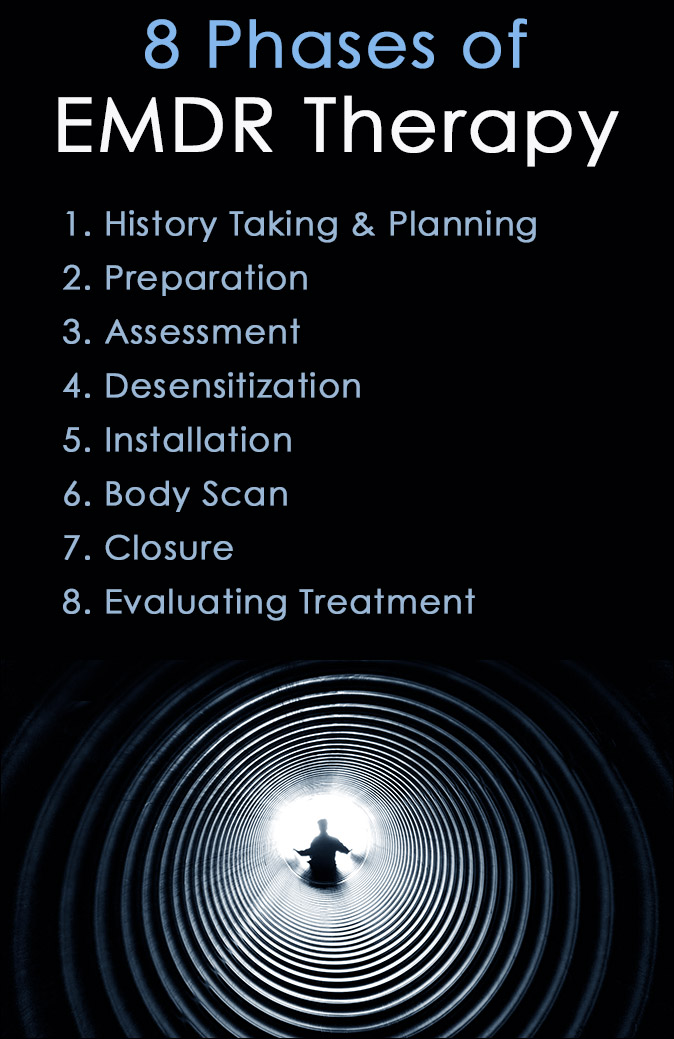
EMDR standard training works as the foundation for incorporating this therapeutic strategy into professional technique. The basic training design includes about 40-50 hours of guideline divided between didactic knowing and monitored practical application. Mind Based EMDR structures their basic training to satisfy EMDRIA (EMDR International Organization) standards, making sure participants get extensive protection of the eight-phase protocol that defines EMDR treatment.
The preliminary training components focus on the Adaptive Data processing design, which develops the academic backbone of EMDR. Clinicians discover just how stressful memories end up being maladaptively saved in neural networks and how bilateral excitement assists in the brain's all-natural healing procedures. This neurobiological framework distinguishes EMDR from traditional talk therapy techniques and offers practitioners with a clear rationale for treatment methods.
Hands-on technique constitutes a substantial portion of fundamental training. Participants participate in role-playing exercises where they alternating in between therapist and customer functions, experiencing the EMDR procedure from both perspectives. This experiential component confirms important for creating the nuanced timing and healing existence needed for effective EMDR distribution. Mind Based EMDR stresses this practical application, recognizing that theoretical understanding alone doesn't equate to medical skills.
Advancing Beyond Fundamentals: Specialized EMDR Educating
Advanced EMDR training addresses intricate professional presentations that expand past single-incident trauma. Specialists collaborating with dissociative disorders, complicated PTSD, or add-on trauma require customized knowledge and changed procedures. Mind Based EMDR's sophisticated training programs dig right into these challenging scientific situations, giving structures for resolving architectural dissociation, vanity state work, and developmental trauma.
The innovative educational program usually checks out current protocol growths including the Flash Technique, the Reverse Protocol for exceedingly blocked handling, and the Inverted Procedure for dynamic processing. These specialized techniques increase the therapist's capacity to adapt EMDR for clients who don't respond efficiently to conventional procedures. Recognizing when and exactly how to change the standard procedure calls for both academic understanding and supervised experience.
Advanced training additionally resolves source growth and installation techniques that strengthen client stabilization before trauma processing. The Source Development and Installment (RDI) method and other preparatory interventions guarantee customers have ample affect law capacity prior to involving stressful product. Mind Based EMDR integrates these stablizing approaches throughout their training continuum, stressing safety and security and customer readiness as vital factors to consider.
The Vital Role of EMDR Appointment
EMDRIA accreditation requires 20 hours of examination adhering to fundamental training, showing the expert consensus that supervised method proves crucial for experienced EMDR distribution. EMDR appointment teams give organized possibilities for clinicians to existing instances, obtain feedback, and improve their therapeutic strategy under professional guidance. Brain Based EMDR deals both specific and team examination alternatives that satisfy accreditation demands while promoting continuous professional advancement.
Consultant-in-Training (CIT) ConsultationAssessment addresses the inevitable difficulties that emerge when using EMDR methods to real-world clinical complexity. Professional help specialists navigate obstructed handling, handle abreactions, and adjust methods for details client presentations. This guided problem-solving accelerates ability advancement and protects against the entrenchment of inefficient patterns that can take place with without supervision practice.
Beyond qualification needs, many skilled EMDR therapists maintain ongoing consultation relationships throughout their occupations. The consultation procedure gives liability, fresh perspectives on difficult cases, and direct exposure to progressing finest techniques within the EMDR neighborhood. Mind Based EMDR's assessment version emphasizes joint discovering, creating a supportive environment where therapists can openly review medical issues without judgment.
Developing a Trauma-Informed Healing Structure
Reliable EMDR method needs greater than method memorization-- it demands an extensive trauma-informed technique that educates every facet of restorative involvement. Trauma-informed training for specialists addresses how stressful experiences form client presentation, connection patterns, and therapy process. Mind Based EMDR incorporates trauma-informed concepts throughout their training curriculum, identifying that technological proficiency without trauma level of sensitivity limitations therapeutic performance.
Trauma-informed treatment begins with understanding just how trauma influences the nerve system and shapes defensive adjustments. Specialists discover to identify trauma feedbacks including hypervigilance, dissociation, and hyperarousal as adaptive survival mechanisms as opposed to pathological symptoms. This reframing essentially changes the restorative relationship from a problem-focused stance to a strengths-based gratitude of client durability.
The training emphasizes developing physical and emotional security within the therapeutic setting. Trauma survivors usually experience the therapy space itself as potentially harmful, needing thoughtful focus to seating arrangements, lights, personal privacy, and predictability. Mind Based EMDR instructs practitioners to team up with clients in developing safety methods and valuing autonomy throughout the therapy process.
Picking Top Quality EMDR Training Programs
The spreading of EMDR training choices produces both opportunities and difficulties for specialists seeking accreditation. Quality training programs distinguish themselves with EMDRIA approval, experienced instructors with considerable medical backgrounds, and comprehensive coverage of both protocol mechanics and academic foundations. Mind Based EMDR's training structure shows present finest techniques in grown-up knowing, combining lecture, demo, monitored practice, and consultation in developmentally appropriate sequences.
Instructor knowledge significantly impacts training high quality and individual outcomes. Efficient EMDR trainers have not just technical mastery but additionally the capability to develop psychologically secure learning settings where individuals can exercise vulnerable skill advancement. Mind Based EMDR's instructors bring considerable medical experience dealing with diverse trauma discussions, providing trainees with exposure to real-world situation instances that light up procedure application across different client populations.
The training style-- whether intensive weekend break workshops, expanded weekly sessions, or crossbreed online-in-person designs-- impacts learning retention and ability development. Research study on grown-up discovering recommends spaced exercise with possibilities for between-session application returns premium results compared to compressed extensive layouts. Mind Based EMDR offers adaptable training layouts that fit diverse understanding preferences while maintaining strenuous standards for professional proficiency.
The Investment in EMDR Training: Specialist and Customer Outcomes
Consultant-in-Training (CIT) Consultation
EMDR training represents a substantial investment of time, energy, and economic sources. Fundamental training prices normally range from $1,500 to $3,000, with extra expenditures for assessment, advanced training, and qualification costs. However, the return on this investment shows up in broadened clinical capacities, improved customer results, and often enhanced method profits as trauma-specialized solutions command premium reimbursement prices.
From a client end result perspective, EMDR regularly shows superior efficiency for PTSD treatment compared to conventional restorative strategies. Meta-analyses show EMDR creates scientifically considerable sign reduction in fewer sessions than cognitive-behavioral treatment, equating to minimized suffering and faster recuperation for trauma survivors. Specialists learnt EMDR can offer customers evidence-based therapy that addresses trauma at the neurobiological level, fundamentally settling traumatic memories as opposed to simply taking care of symptoms.
Brain Based EMDR's comprehensive training path-- from fundamental certification with sophisticated expertise and ongoing consultation-- supplies specialists with the knowledge, abilities, and support needed for positive, skilled injury treatment. Their focus on neurobiological foundations, trauma-informed practice, and sensible application creates clinicians efficient in adapting EMDR methods to diverse discussions while preserving integrity to the core technique that makes EMDR uniquely efficient for trauma resolution.

Latest Posts
Addressing Racial Trauma and Trauma Recovery
Addressing Control Issues in Food Relationships Following Narcissistic Abuse
Support System at Psilocybin-Assisted Psychotherapy